
What Is A1 Wood and Why Is It Used in Biomass?
In the world of biomass fuels, especially when it comes to wood pellets and chips, the term A1 wood comes up often. It’s a key talking point in our presentations at Focus Bio Energy as well. But what exactly is A1 wood, and why does it matter?
Understanding A1 Wood
Biomass fuels can originate from a wide range of sources, often as by-products or residues from forestry and wood processing, such as bark, shavings, or offcuts. To make sense of this variety, these materials are classified by origin, quality, and treatment. Among these, one of the highest-quality categories is A1 wood.
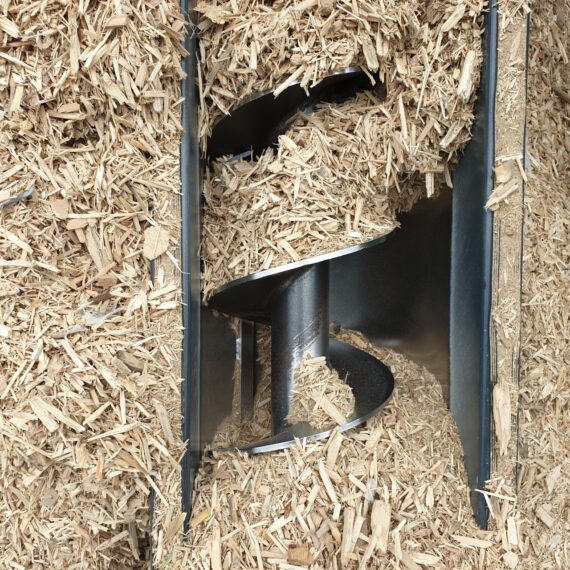
A1 wood refers to a premium-grade biomass fuel made exclusively from natural, untreated wood. It’s defined under a standardised classification system that evaluates fuel based on ash content, moisture levels, and chemical purity. This type of wood comes from clean, natural sources that have only undergone mechanical processing (e.g., sawing or chipping), and are free from coatings, adhesives, or chemical treatments. Common examples include stem wood and clean wooden pallets. With its low ash and nitrogen content, A1 wood is especially suited for residential and small-scale heating systems.
By contrast, A2 wood, a slightly lower grade, may include glued or coated materials, such as painted boards or chipboards. Although still free from harmful preservatives, A2 wood generates more ash and is generally used in larger commercial installations.
So essentially, the A-wood category describes how it has been treated and always refers to wood that is clean and untreated, such as pallets, crates, or uncoated beams. It’s dry, mechanically processed, and ideal for producing high-quality biomass fuel.
Why A1 Wood Is Preferred
Thanks to its consistency and clean-burning properties, A1 wood is the go-to fuel for residential and small commercial biomass installations. In contrast, other kind of wood is typically reserved for larger-scale, industrial systems that can manage their variability and combustion requirements.
Once collected, wood waste is sorted by quality. Clean A-wood that’s still usable can often be repurposed, for example, in pallet production. When it’s no longer fit for reuse, it’s shredded and recycled into new products like chipboard.
Wood that doesn’t fit into those categories, and thus is being marked unsuitable for recycling, is often directed to power generation, where it still plays a role in sustainable energy production. This sorting process ensures that wood waste is either reused or transformed into renewable energy, minimising landfill and maximising resource efficiency.
Some woods, including highly contaminated or toxic materials, are not permitted in standard biomass plants at all due to legal and environmental concerns.
The Growing Demand for A1 Wood
As the shift toward renewable energy continues, the demand for clean and efficient biomass fuels is rising. Both households and businesses are embracing sustainable heating options, and A1 wood is at the forefront, thanks to its performance, reliability, and low environmental impact.
Choosing the right biomass fuel isn’t just about heat, it’s about efficiency, sustainability, and responsible resource use. Here’s why A1 wood stands out:
- Efficiency: Low in ash and impurities, it ensures cleaner combustion and less maintenance.
- Sustainability: Sourced from renewable by-products, A1 wood supports the circular economy.
- Environmental Benefit: With low emissions, it contributes to cleaner air and climate-friendly energy.
Whether you’re operating a biomass boiler or just looking for a greener way to heat your home, A1 wood is a cleaner, smarter, and more sustainable choice, which is exactly why we at Focus Bio Energy prioritize it.